

Cortisol and Hair Loss: Can Cortisol Cause Hair Loss?
Yes, cortisol can contribute to hair loss when levels stay elevated over time. As the body’s primary stress hormone, high cortisol from the adrenal glands disrupts the hair growth cycle, pushing hair follicles into the telogen rest phase and causing diffuse shedding (telogen effluvium).
The link between cortisol and hair loss is often seen after significant stress, illness, or poor sleep, and typically appears 6–12 weeks later. With stress management, gentle scalp care, and time, most stress-related shedding improves. If loss is rapid, patchy, or persistent, consult a hair specialist to rule out other causes.
At RootMD, Dr. Ross Kopelman guides our evidence-based approach, helping you understand what is happening and take practical steps to protect hair health.
Key Takeaways
-
Cortisol, the body’s primary stress hormone, can disrupt the hair growth cycle by pushing follicles into the telogen rest phase, leading to temporary shedding known as telogen effluvium.
-
Both high and low cortisol levels can affect hair differently. Chronic stress raises cortisol and causes thinning, while low cortisol from conditions like Addison’s disease can also trigger loss.
-
Most cortisol-related hair loss is reversible once stress is managed, as follicles return from the telogen rest phase to the anagen growth phase over several months.
-
Effective recovery includes consistent stress management, adequate sleep, balanced nutrition, and gentle scalp care to restore hair health.
-
If shedding is severe, patchy, or prolonged, a hair specialist can evaluate hormonal balance and guide safe non-prescription care options.
How Cortisol Causes Hair Loss
How Cortisol Triggers Hair Thinning
Cortisol, a stress hormone released by the adrenal gland, can alter the hair growth cycle. When levels stay high, hair follicles shift out of growth more quickly, leading to thinning hair over time. Blood flow and nutrient delivery can drop, affecting hair at the root. The result is stress-induced changes that weaken density and volume.
Why Cortisol Leads to Hair Falling Out
Prolonged stress can push many follicles into the telogen rest phase at once. This shift increases shedding – a pattern known as telogen effluvium. Learn more about how stress can cause hair loss and why early stress management supports recovery.
The loss is diffuse and most visible along the part line or after brushing. Reducing triggers early limits induced hair loss and supports recovery.
Can High Cortisol Cause Alopecia Areata?
High cortisol levels do not cause alopecia areata directly, but stress can flare autoimmune activity in some people. Learn more about autoimmune hair loss in women and how hormonal changes can make symptoms worse.
Suddenly, coin-shaped patches suggest a process distinct from diffuse stress-related hair loss. Early evaluation is key to targeting the correct cause. If patches appear, see a specialist promptly.
High and Low Cortisol Conditions

High Cortisol Hair Loss in Women
Women may notice increased shedding after significant life stress, sleep loss, or intense training. Diffuse thinning and fragile strands are common signs. Tracking cycles, energy, and stress load helps reveal patterns linked to high cortisol hair loss. Gentle styling and consistent routines support scalp comfort.
Cortisol and Hair Loss in Men
Men often see a drop in density at the crown and part when stress remains high. Work strain, poor sleep, and overtraining can amplify stress-induced shedding; pair stress management with scalp care to protect coverage. Simple daily habits outperform short bursts of effort.
Low Cortisol and Hair Loss (Addison’s Disease)
Addison’s disease lowers cortisol and can contribute to fatigue, weight loss, and shedding. Hair changes arise from systemic imbalance rather than excess stress hormone. Diagnosis requires medical testing and supervised care. Seek help if dizziness, darkened skin, or salt cravings occur with shedding.
How Cortisol Imbalance Is Diagnosed
When Cortisol Testing Helps
Testing is functional when shedding is severe, prolonged, or unclear. A clinician may use morning serum cortisol or timed saliva tests to assess patterns. Results are paired with sleep, diet, and stress history for context. Data and history together give the clearest picture.
Signs That Suggest Hormonal Imbalance
Red flags include persistent fatigue, sleep disruption, blood pressure changes, and weight shifts with shedding. Hair that breaks easily or stalls in growth also points to an imbalance. Bring a medication and supplement list to your visit. Accurate details speed assessment.
Is Cortisol Hair Loss Reversible?
Cortisol Hair Loss Reversible Cases
Most stress-driven telogen effluvium is reversible once the trigger improves. As cortisol normalizes, follicles cycle back from the telogen rest phase to the anagen growth phase. Expect gradual gains in volume and fewer hairs shed daily. Steady habits matter more than quick fixes.
Typical Recovery Timeline
Shedding often eases within 6–12 weeks of starting stress control. Visible fullness can take 3–6 months as new fibers thicken. Length recovery takes longer due to the natural growth rate. Consistency is the best predictor of success.
When Regrowth Takes Longer
Recovery slows if stressors persist or nutrition is inadequate. Iron, protein, and sleep debt can hold back progress. Review habits and adjust one step at a time. If the loss persists for more than 6 months, seek a specialist.
Treatment Options for Cortisol-Related Hair Loss
Daily Habits That Lower Stress
Start with simple stress management you can repeat daily:
-
10 minutes of deep breathing or box breathing
-
Regular sleep and wake times
-
20–30 minutes of moderate activity most days
-
Balanced meals with protein, iron sources, and omega-3s. Learn more about eating for healthy hair to support your scalp and stress recovery.
These steps steady the stress response and support hair health.
Treatment Approaches for Chronic Stress
Chronic stress needs a plan you can sustain. Consider brief therapy, mindfulness practice, or yoga to support the nervous system. Use digital prompts to protect breaks and sleep windows. Small, repeatable actions lower total load.
Topical Treatments
Choose gentle shampoos and serums that protect the scalp barrier. Ingredients like rosemary oil, saw palmetto, niacinamide, and caffeine can support density. Consistent use improves comfort and helps reduce scalp stress and hair-loss triggers. Apply as directed for best results.
Scalp Care and Lifestyle Support
Keep the scalp clean and calm with sulfate-free cleansers. Limit tight styles and high heat while shedding is active. Protect rest with a set bedtime and a short pre-sleep wind-down. These habits help move hairs from the resting phase back toward growth.
When to See a Hair Specialist
Warning Signs of Severe Shedding
Seek help if you notice sudden patches, scalp pain, or visible thinning in the past few weeks. Loss after illness, surgery, or new medications also needs to be reviewed. If shedding tops 150 hairs daily for a month, book an appointment. Early action prevents prolonged cycles of loss.
What a Clinical Evaluation Covers
A specialist will map patterns, pull-test hairs, and review timing in relation to stressors. Basic labs may check iron status, thyroid function, and other factors. You will leave with a stepwise plan that fits your routine. RootMD can guide product and habit choices that support steady recovery.
About RootMD and Expert Oversight
RootMD builds routines patients can follow long-term. Under the guidance of Dr. Ross Kopelman, our focus is on practical steps that reduce stress-induced shedding and protect density.
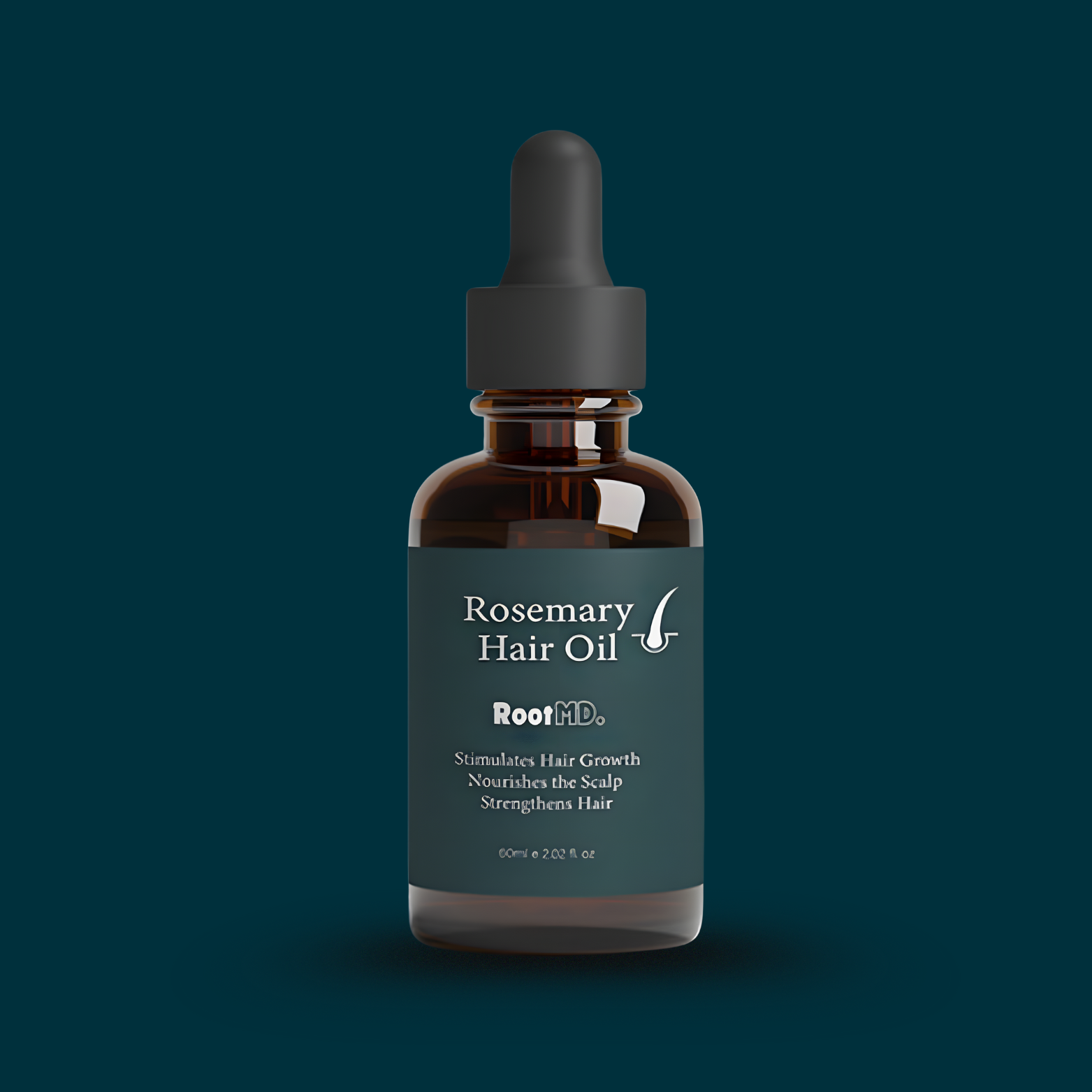
Our DHT-Blocking Shampoo supports scalp balance, while the Hair Growth Oil nourishes follicles with clinically backed ingredients to encourage healthier growth. Clear instructions and clean formulas help you stay consistent.