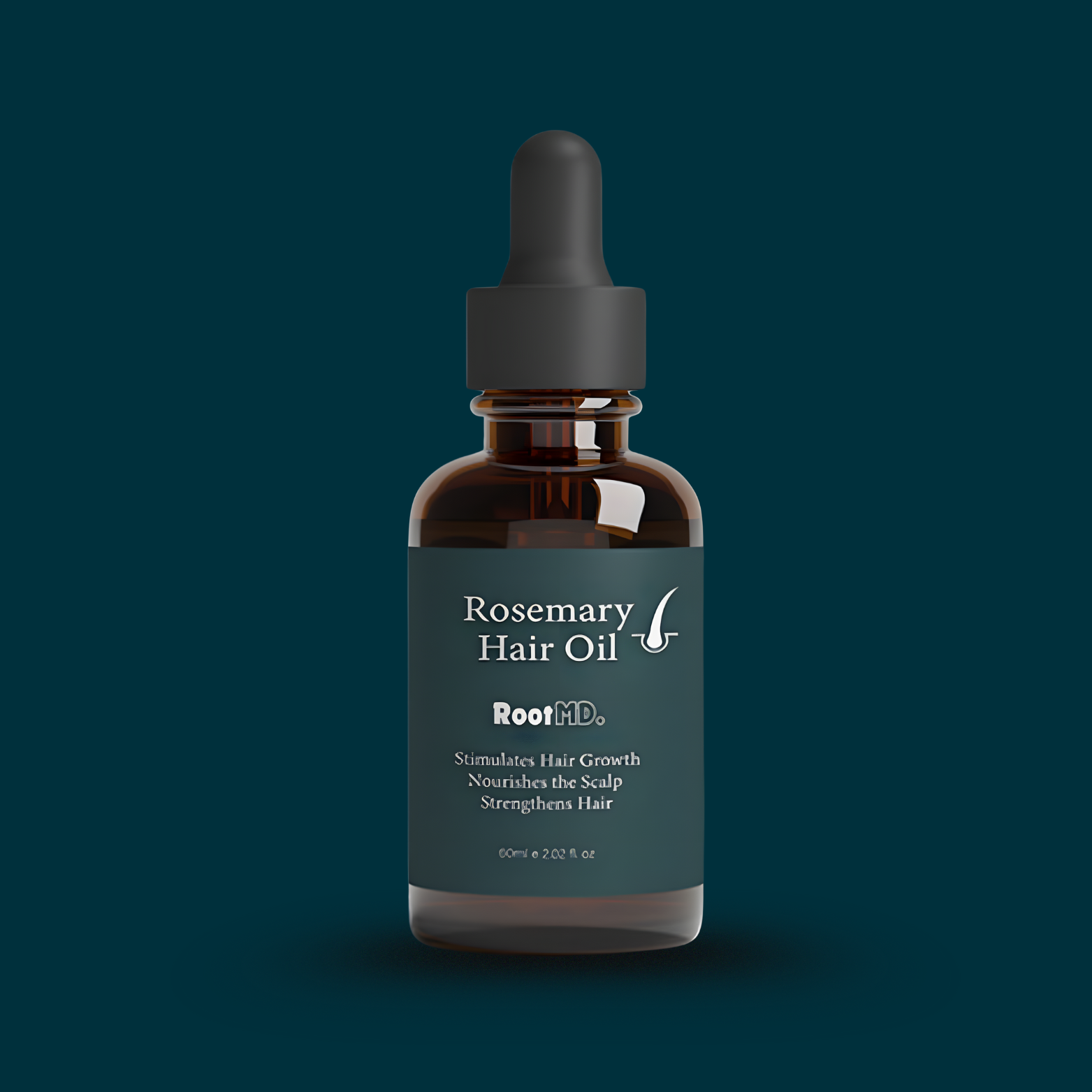


Hormone replacement for hair loss may reduce shedding and stabilize the hair growth cycle in cases linked to hormonal imbalance, but results vary and it does not reverse long-term follicle damage or guarantee regrowth.
At RootMD, hormone-related hair loss is approached with a focus on medical clarity and long-term understanding. As explained by Ross Kopelman, hair transplant surgeon, hormonal shifts can influence hair growth, but they do not act in isolation.
Key Takeaways
• Hormone replacement therapy may reduce shedding caused by hormonal imbalance, but it does not treat all types of hair loss.
• Hormones like estrogen and DHT directly affect the hair growth cycle, influencing thickness and shedding.
• HRT can support more stable growth patterns but cannot reverse long-term follicle damage or guarantee regrowth.
• Different types of hair loss respond differently, so proper diagnosis is essential before treatment.
• A combination approach works best, as hair loss involves hormones, scalp condition, and follicle health.
Does Hormone Replacement Therapy Help Hair Loss?
Many people ask, "Does HRT help with hair loss, especially during periods of hormonal change?" The answer depends on the cause of hair loss rather than the treatment alone. Hormone replacement therapy may help reduce shedding linked to hormonal imbalance, but it does not address all types of thinning.
Hair loss related to temporary hormonal shifts may improve when hormone levels stabilize. However, in conditions like androgenetic alopecia, the follicles themselves change over time. In these cases, HRT does not reverse the underlying process, but it may still influence shedding patterns.
How Hormones Affect Hair Growth
Hair grows in a structured cycle that includes growth, transition, and resting phases. Hormones regulate how long hair stays in each stage and help explain why hair loss happens. Estrogen supports longer growth phases, while androgens like DHT can shorten them.
When estrogen levels decline, hair may enter the shedding phase more quickly. At the same time, follicles may produce thinner strands. This shift explains why hormonal changes often lead to noticeable thinning rather than sudden loss.
Hormone Therapy for Hair Loss in Women

Hormonal hair loss in women often appears during life stages such as menopause or postpartum recovery. These periods involve shifts in estrogen and progesterone levels. As a result, the balance that supports normal hair growth changes.
Women may notice increased shedding, reduced volume, or slower regrowth. Hormone therapy may help stabilize these changes in some cases. However, results vary based on individual hormone sensitivity and follicle health.
Hormone Replacement Therapy for Hair Loss: Benefits and Limits
Hormone replacement therapy works by restoring hormone balance within the body. This can support a more stable hair growth cycle, especially when shedding is linked to hormonal fluctuations. It may reduce excessive shedding and improve consistency in hair growth patterns.
However, HRT does not repair follicles that have already been affected by long-term hormonal sensitivity. It also does not guarantee increased density or regrowth. Understanding these limits helps avoid unrealistic expectations.
Menopause, HRT, and Hair Loss
The connection between menopause, HRT, and hair loss is often discussed because menopause involves a clear decline in estrogen. This change affects how long hair remains in the growth phase. As a result, hair may become finer and less dense.
HRT may help reduce shedding associated with these hormonal changes. It may also support a more stable growth cycle over time. However, it does not fully restore hair to its pre-menopausal state.
HRT and Hair Loss Side Effects
Some individuals notice increased shedding after starting hormone therapy. This can feel concerning, but it is often part of the adjustment process. The hair cycle may shift temporarily as the body adapts to new hormone levels.
Questions such as "Can progesterone cause hair loss?" are also common. Natural progesterone is not usually a direct cause, but some synthetic forms may influence hair in certain individuals. These effects depend on overall hormonal balance rather than one hormone alone.
Estrogen and Hair Growth
Estrogen plays a central role in maintaining healthy hair growth. It helps keep hair in the growth phase for a longer period. This supports thickness and overall density.
The relationship between estrogen replacement therapy and hair loss is often misunderstood. While estrogen may help reduce shedding in some cases, it does not directly counteract all causes of hair thinning. Hair growth still depends on follicle condition and genetic factors.
Hormone Medications and Hair Loss
Hormone-related treatments may target specific pathways involved in hair loss. Some approaches aim to reduce androgen activity, such as using a topical DHT blocker, which can slow the progression of thinning. Others focus on restoring hormonal balance during menopause or other transitions.
These treatments are not designed solely for hair growth. They are used within a broader medical context. As a result, their effect on hair varies from person to person.
Which HRT Is Best for Hair Loss?

Searches for the best HRT for hair loss often suggest that one option works better than others. In reality, no specific HRT is designed specifically for hair regrowth. Different forms, such as patches, gels, or oral therapies, affect how hormones are delivered in the body.
The choice of therapy depends on overall health and hormonal needs. Hair outcomes are secondary and not the primary factor in selecting treatment.
Types of Hair Loss
Hair loss can occur in different forms, and each behaves differently. Understanding the type is important for setting expectations.
-
Telogen effluvium involves temporary shedding caused by stress or hormonal changes.
-
Androgenetic alopecia is a progressive condition linked to DHT sensitivity
-
Postpartum hair loss occurs after hormonal shifts and is usually temporary
Each type responds differently to hormonal changes and treatments.
Scalp vs Follicle Health
Scalp health and follicle health play separate roles in hair growth. The scalp refers to the skin environment, including oil balance and inflammation. A healthy scalp supports better conditions for hair to grow.
Follicle health determines how hair is produced. It is influenced by hormones and genetics. Even with a healthy scalp, follicle changes can still affect hair density and thickness.
How Hair Loss Treatments Work
Hair loss treatments work at different levels depending on their type. Some focus on the scalp, while others target internal processes.
-
Shampoos help clean the scalp and reduce buildup
-
Topical serums may support the growth phase
-
Oils improve hydration and support the scalp barrier
-
Medical treatments target underlying mechanisms
No single approach addresses every cause of hair loss.
Hair Growth Ingredients
Certain ingredients are commonly used in hair and scalp care and are often included in the best hair growth products for men. These ingredients support the environment where hair grows rather than directly causing regrowth.
| Ingredient | Primary Function | Notes |
|---|---|---|
| Rosemary Oil | Supports circulation & scalp health | May improve scalp condition over time |
| Saw Palmetto | Linked to androgen pathways | Natural DHT blocker |
| Pumpkin Seed Oil | Supports hair density | Nutrient-rich |
| Peppermint Oil | Increases blood flow | Used topically for scalp stimulation |
| Sunflower & Jojoba Oils | Maintain hydration | Supports scalp moisture; no direct regrowth effect |
- Evidence levels reflect current published studies; some are limited or moderate in scale.
- No ingredient guarantees hair regrowth; these support scalp health and hair environment.
What Are the “Big 3” for Hair Regrowth?
The phrase “big 3” often appears in discussions about hair regrowth. It usually refers to a combination of approaches that target different mechanisms.
These include:
-
A method that supports hair growth
-
A method that targets hormonal influence
-
A method that improves scalp condition
This combination reflects the idea that hair growth depends on multiple factors rather than a single solution.
Common Misconceptions
Many assumptions about hormone-related hair loss are not accurate. One common belief is that hormone therapy will fully restore lost hair. In reality, results depend on the cause and duration of hair loss.
Another misconception is that natural oils or single ingredients can solve all types of thinning. Hair loss is complex, and different causes require different approaches.
Realistic Expectations

Hair growth takes time and follows a slow cycle. Even when treatment supports improvement, visible changes do not happen immediately. Shedding patterns may take months to stabilize.
Results vary based on individual biology and the type of hair loss. Consistency and patience are key factors in evaluating any approach.
When to Seek Medical Advice
Persistent or worsening hair loss may require medical evaluation. This is especially important when shedding is sudden or does not improve over time. Additional symptoms related to hormones may also need attention.
A qualified professional can help identify the cause and explain appropriate options. This ensures that decisions are based on accurate information rather than assumptions.
Final Perspective
Hair loss related to hormones involves multiple systems, including endocrine changes, follicle health, and scalp condition. At RootMD, the focus is on understanding these interactions rather than offering simplified solutions.
As Dr. Kopelman emphasizes, effective hair management starts with identifying the cause. Hormone replacement for hair loss may play a role in certain cases, but it is one part of a broader picture.