

A “bad” receding hairline isn’t a separate medical condition. It’s just a visible pattern of hair loss that’s more noticeable, uneven, or progressing faster than expected
At RootMD, hairline changes are approached with a clear, medical understanding of scalp health and long-term outcomes. Dr. Ross Kopelman often explains that what many call a bad receding hairline is usually a specific type of hair loss with predictable patterns.
Key Takeaways
A bad receding hairline is usually linked to androgenetic alopecia, where DHT causes gradual follicle shrinkage and thinner hair growth over time.
Not all hairline changes indicate hair loss, as a mature hairline or natural variations like a widow s peak can be normal and stable.
Understanding the difference between temporary shedding and permanent hairline loss is key, as only some forms of hair falling are reversible.
Hair loss treatments can help slow progression or support density, but full reversal depends on whether hair follicles are still active.
Results vary based on genetics, consistency, and the type of hair loss, and visible improvement typically takes several months rather than weeks.
Why Is My Hairline Receding or Terrible?
A receding hairline happens when hair at the front becomes thinner or shifts backward over time. This change is often linked to androgenetic alopecia, also called androgenic alopecia, which is a common form of hair loss influenced by genetics and hormones.
In this condition, DHT affects hair follicles and causes gradual miniaturization. Hair strands become finer, and growth cycles shorten. Many people first notice early signs such as hair falling near the temples or reduced density at the front.
Other contributing factors include:
-
Family history of hair thinning
-
Hormonal changes
-
Stress-related shedding
-
Repeated tension from styling
Receding Hairline vs Normal Hairline Changes

Not every shift in the hairline means active hair loss. A mature hairline is a normal change that occurs with age and then stabilizes.
A receding hairline, in contrast, continues to move backward and may deepen over time. This distinction is important when identifying the type of hair loss and deciding next steps.
Some natural variations include:
-
Widow s peak, which is a genetic hairline shape
-
Slight asymmetry between sides
These patterns are often mistaken for a problem but may fall within normal range.
Types of Bad Receding Hairlines and Patterns

Hairline changes can follow specific patterns that help identify progression. A bad receding hairline may not look the same for everyone.
Common patterns include:
-
M-shaped recession at the temples
-
Uneven hairline with one side higher
-
Diffuse thinning across the front
In some cases, thinning may also extend toward the top of the head, depending on the form of hair loss. Identifying the pattern helps guide evaluation and treatment options.
What Causes Terrible Hairlines (Biology Explained)

Hair grows in cycles that include growth, rest, and shedding phases. In androgenetic alopecia, this cycle becomes shorter and weaker over time.
DHT binds to hair follicles and reduces their size. Smaller follicles produce thinner hair, and eventually, some stop producing visible strands. This process explains why a bald spot may appear or why density decreases gradually.
Other biological factors include signs like tingling scalp and underlying hormonal shifts:
-
Hormonal shifts such as postpartum changes
-
Inflammation affecting the scalp
-
Reduced blood flow to follicles
These changes affect the ability to stimulate hair growth naturally.
Temporary Shedding vs Permanent Hairline Loss
It is important to understand whether hair shedding vs hair loss is temporary or progressive. This affects expectations and approach.
Temporary shedding:
-
Often triggered by stress or illness
-
Leads to sudden hair falling
-
Hair can regrow once the trigger resolves
Permanent hairline loss:
-
Caused by follicle miniaturization
-
Leads to gradual thinning
-
May progress without intervention
This distinction helps determine whether the condition is reversible or requires long-term management.
Why Do Gen Z Balding So Fast?
There is a growing perception that younger individuals are experiencing hair loss earlier. However, current evidence does not confirm a major biological shift.
More likely explanations include:
-
Increased awareness due to social media
-
Early detection of subtle changes
-
Lifestyle stress affecting hair cycles
In many cases, individuals are noticing early signs sooner rather than experiencing faster progression.
How to Help, Stop, or Fix a Receding Hairline
Managing a receding hairline depends on the underlying cause. The goal is often to slow progression and support follicle function.
Scalp and Topical Support
-
Clean scalp conditions support healthy follicles
-
Topical minoxidil is commonly used to promote hair growth
-
Consistent use may help maintain density
Ingredient-Based Support
Certain ingredients are studied for their role in scalp health:
-
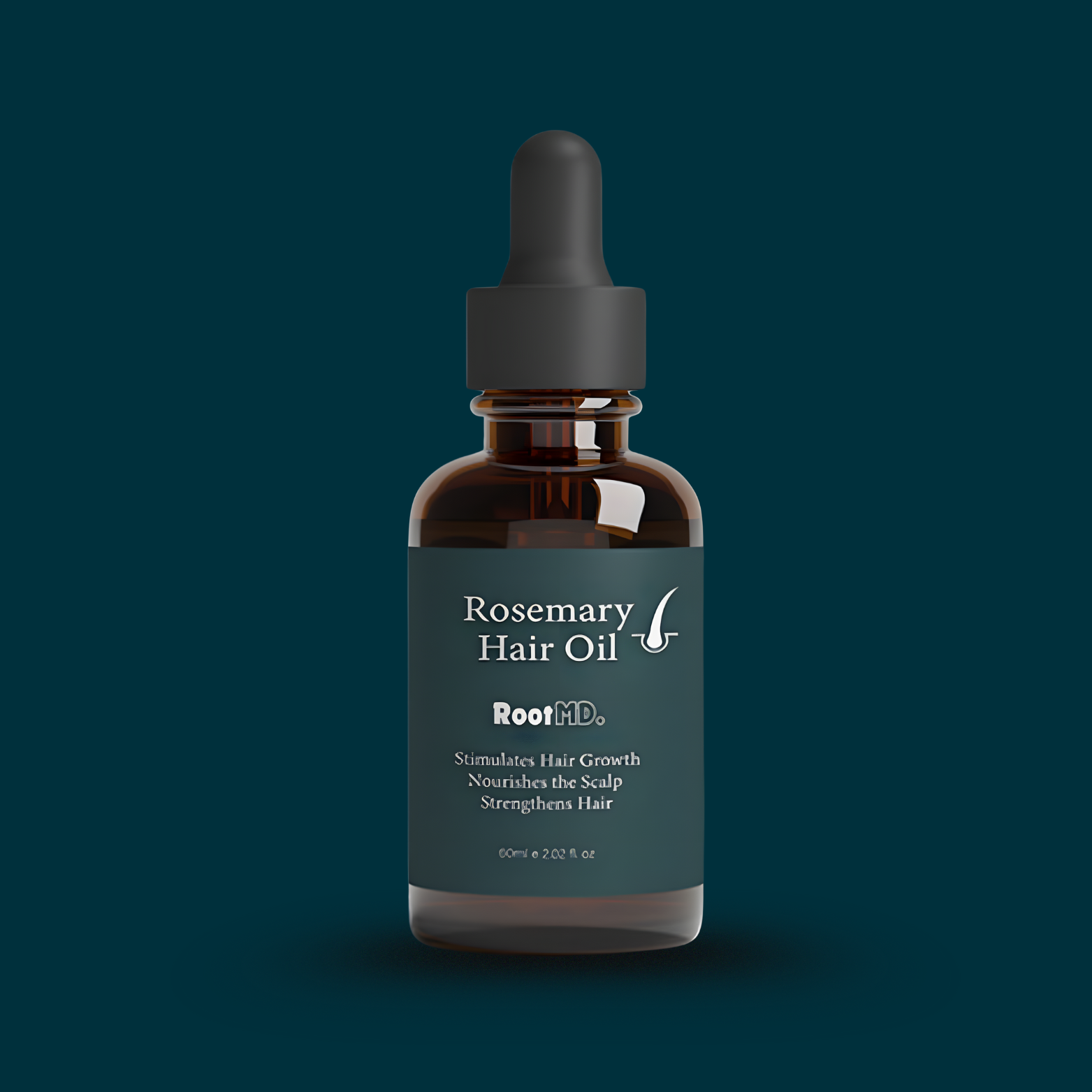
Rosemary oil may improve circulation
-
Saw palmetto is explored for DHT-related effects
-
Pumpkin seed oil may support hormonal balance
These approaches may help stimulate hair growth but do not guarantee full reversal.
Medical and Clinical Options
Some hair loss treatments, including certain oral medication approaches like dutasteride for women hair loss, target DHT or follicle activity. These may include oral medication under medical supervision.
In advanced cases, hair restoration procedures such as hair transplant surgery may be considered. These options depend on individual evaluation and should be discussed with a qualified specialist.
How to Fix Uneven Hairline Naturally
An uneven hairline can result from natural variation or external stress. Simple changes may help reduce further damage.
Practical steps include:
-
Avoid tight hairstyles that pull on the hairline
-
Reduce friction from hats or accessories
-
Maintain scalp hydration
Natural approaches support scalp condition but do not change follicle structure. Results vary based on the cause of the uneven hairline.
Good Hairline vs “Ugly Hairlines”

A good hairline is often described as balanced and even. However, this definition varies between individuals.
Hairline shape depends on:
-
Genetics
-
Facial structure
-
Hair density
Many hairlines labeled as “ugly hairlines” are within normal variation. Differences in shape do not always indicate a medical issue.
Hairline Differences in Men and Women

Hairline patterns differ between men and women due to hormonal and genetic factors.
In men:
-
Recession often begins at the temples
-
M-shaped patterns are common
In women:
-
Hairline typically remains stable
-
Thinning occurs more diffusely across the scalp
Understanding these differences helps identify the type of hair loss and guide appropriate treatment options.
Famous People with Bad Hairlines
Many public figures have visible hairline changes. Some show temple recession, while others have uneven hairlines.
These examples highlight that:
-
Hairline variation is common
-
Not all changes require treatment
-
Appearance standards vary widely
This perspective can help normalize different hairline patterns.
Common Questions About Bad Hairlines
How to fix a terrible hairline?
The approach depends on the cause. Some hair loss treatments may help maintain or improve density, but results vary.
Can you reverse a receding hairline?
If follicles remain active, improvement may be possible. Long-term follicle shrinkage is harder to reverse.
What causes bad hairlines?
The most common causes include genetics, hormonal changes, stress, and traction. These factors influence how hair grows and sheds.
What Affects Results and Timeline
Hair growth is a slow process. Results depend on several factors, including the type of hair loss and consistency of care.
Key factors include:
-
Genetics and family history
-
Severity of follicle miniaturization
-
Consistency of treatment approach
Visible changes, when they occur, often take several months. Early intervention may improve outcomes.
Final Perspective
A bad receding hairline is a visual concern that often reflects an underlying biological process. Understanding the cause helps set realistic expectations and guide decisions.
With the right approach, it is possible to manage progression, support scalp health, and explore appropriate treatment options based on individual needs.