

Hair loss during pregnancy is a common and usually temporary condition caused by hormonal changes, shifts in the hair growth cycle, and nutritional deficiencies.
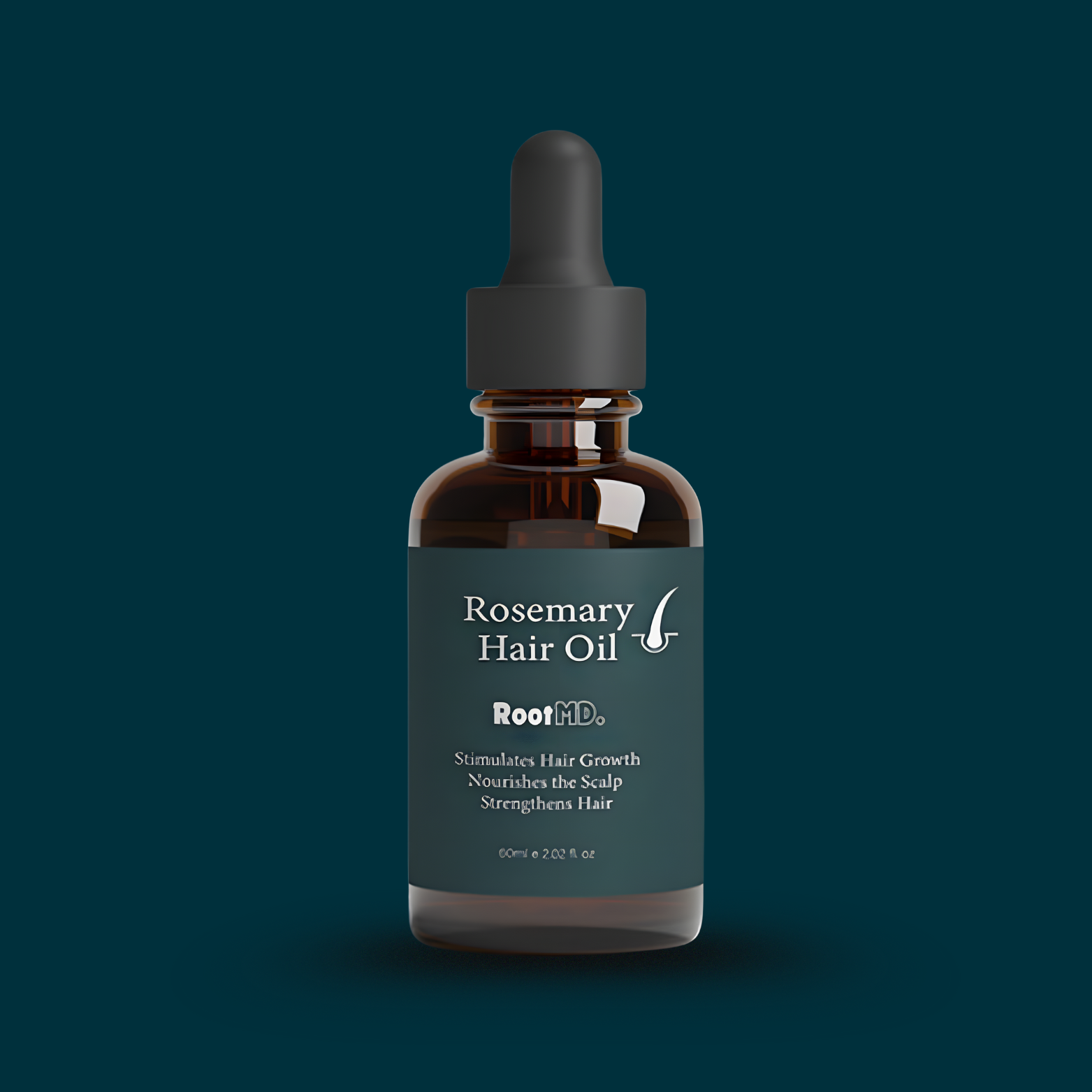
Ross Kopelman, a hair restoration specialist, notes that pregnancy hair loss during this time is often linked to hormone fluctuations and nutritional status. RootMD provides insight into understanding hair thinning during pregnancy and what expectant parents may experience.
Why Hair Loss During Pregnancy Happens
Hair loss during pregnancy occurs primarily due to hormonal changes and stress on the body. Rising estrogen levels extend the growth phase of hair, delaying shedding for many people, while others experience excess hair falling.
Nutritional deficiencies, especially iron and protein, can affect hair follicles, particularly in those experiencing morning sickness during early pregnancy. This type of hair loss is often called telogen effluvium, a temporary shedding caused by a shift of hairs into the resting phase.
Stress, illness, fatigue, or a lack of protein can also trigger hair thinning while pregnant. Each hair follicle operates independently, and disruptions in the hair cycle can lead to diffuse hair fall during pregnancy.
Understanding these mechanisms helps set realistic expectations and distinguishes normal pregnancy hair changes from more concerning conditions.
Hair Loss During Pregnancy by Trimester
| Trimester | Hair Changes | Primary Cause | Typical Outcome |
|---|---|---|---|
| First Trimester | Increased shedding, diffuse thinning across scalp | Hormonal shifts, reduced nutrient intake | Temporary shedding, recovery expected |
| Second Trimester | Reduced shedding, hair appears fuller and thicker | Elevated estrogen prolongs growth phase | Improved density and volume |
| Third Trimester | Stable or thicker hair, minimal shedding | Sustained hormonal support of growth phase | Hair remains in extended growth phase |
Some trimester patterns are generalized from clinical observations. Individual responses to hormonal changes vary.
Hair Thinning While Pregnant vs Pattern Hair Loss

Not all hair thinning during pregnancy signals permanent loss. Temporary shedding from telogen effluvium affects the entire scalp evenly.
In contrast, progressive or patterned hair loss indicates long-term follicle miniaturization. Ross Kopelman emphasizes that understanding these differences is key to managing expectations and monitoring hair health.
Temporary hair thinning usually resolves after hormone levels stabilize, while pattern hair loss may require evaluation by a board-certified dermatologist. Recognizing the type of hair loss ensures the right guidance and reassurance.
When Does Hair Stop Falling, and Can It Be Reversed
Hair fall during pregnancy often slows by the second or third trimester. After delivery, estrogen levels drop, triggering postpartum hair loss. Most shedding is temporary, and hair follicles remain intact. With time and proper nutrition, hair typically regrows, restoring normal density over several months.
Ross Kopelman notes that patients should expect a natural timeline rather than immediate recovery. Understanding this process reduces anxiety for those experiencing thinning hair while pregnant.
How to Support Hair and Reduce Hair Fall During Pregnancy
While hormonal changes drive most hair loss, supporting hair follicles helps maintain scalp health. Key strategies include eating a balanced diet rich in protein, iron, zinc, and vitamin D, including prenatal vitamins.
Stay hydrated and manage stress levels. Avoid excessive heat or harsh chemical treatments. Gentle scalp massage to support blood flow and stimulate hair follicles
These measures support the growth phase of hair during pregnancy but do not override hormonal influences.
What to Eat to Reduce Hair Fall During Pregnancy
Nutritional support is critical for healthy hair growth. Key dietary elements include lean protein sources for hair structure, Iron-rich foods to prevent deficiencies, Zinc to aid cell turnover, Vitamin D to support hair follicle function, along with other vitamins that support hair growth.
Addressing deficiencies early, especially during morning sickness, helps minimize hair thinning during pregnancy.
Pregnancy Hair Growth vs Hair Thinning

Responses to pregnancy vary. Some individuals notice pregnancy hair growth and thicker strands due to extended growth phases. Others experience hair fall during pregnancy or thinning hair while pregnant, caused by telogen effluvium. Genetics, nutrient status, and estrogen levels influence these outcomes.
When Hair Loss During Pregnancy May Signal a Problem
Hair thinning during pregnancy is usually temporary, but certain signs warrant professional evaluation. Severe or patchy hair loss, persistent shedding beyond normal timelines, symptoms such as fatigue or pale skin indicating anemia
A board-certified dermatologist can assess hair follicles, nutritional deficiencies, and overall health to rule out underlying issues.
Common Myths and Search Trends
Many myths surround pregnancy hair changes:
-
Hair loss during pregnancy, boy or girl – no evidence links fetal sex to shedding
-
Hair loss in early pregnancy or miscarriage – thinning hair alone is not an indicator.
-
Online forums like Reddit often report varied experiences, reflecting individual differences.
Understanding these misconceptions helps set realistic expectations and reduces unnecessary worry.
Postpartum Hair Loss and Shedding
After birth, estrogen levels drop rapidly, prompting widespread shedding known as postpartum hair loss. Hair follicles that remained in the growth phase during pregnancy enter the resting phase, leading to noticeable hair fall. This process is temporary and usually resolves within six to twelve months as normal hair cycling resumes.
Do Oils or Ingredients Help Stimulate Hair
Certain oils may support scalp health, though they do not alter hormone-driven hair thinning:
-
Rosemary oil – studied for circulation and growth signaling
-
Peppermint oil – linked to increased scalp blood flow
-
Pumpkin seed oil – explored for hormone-related effects
-
Jojoba and sunflower oil – help maintain scalp hydration
These ingredients can complement general hair care and improve scalp condition.
Shampoos, Serums, and Medical Options
Shampoos and topical serums help maintain scalp health and manage excess oil. Prescription treatments should only be considered under guidance from a board-certified dermatologist. RootMD emphasizes that hair care during pregnancy focuses on maintaining healthy follicles rather than aggressive interventions.
What to Expect Over Time
Hair changes during pregnancy follow a general progression:
-
Early pregnancy – possible increased shedding
-
Mid pregnancy – fuller hair and reduced hair fall
-
Late pregnancy – stable or thicker hair
-
Postpartum – noticeable shedding with gradual regrowth
Understanding this timeline helps parents set realistic expectations and track changes in hair density.