

Hair thinning after weight loss often occurs due to temporary shedding triggered by rapid weight loss, nutritional deficiencies, or hormonal changes, and usually improves over several months as the body stabilizes.
At RootMD, Dr. Ross Kopelman explains that weight loss and hair loss are typically temporary but can be distressing. Understanding the causes, risk factors, and ways to support hair regrowth helps people manage expectations and maintain healthy hair
Key Takeaways
-
Hair thinning after weight loss is often caused by sudden nutrient deficits, rapid weight loss, or weight loss surgery, which can stress hair follicles.
-
Protein, iron, zinc, biotin, and vitamin D are essential nutrients that support healthy hair growth and help prevent noticeable hair loss.
-
Hair shedding typically appears two to three months after significant weight loss and is usually temporary as hair follicles recover.
-
Women may experience hair thinning differently due to hormonal fluctuations or medications, making female-specific patterns important to monitor.
-
Consulting a board-certified dermatologist is recommended if hair fall continues beyond six months, bald patches appear, or nutrient deficiencies are suspected.
Why Hair Thinning Happens After Weight Loss

Hair thinning after weight loss occurs because hair follicles respond to stress and nutrient changes, which explains why hair loss happens. Rapid weight loss often reduces essential nutrients like protein, iron, and vitamins needed for healthy hair follicles.
Low-calorie intake or crash diets may trigger the shedding phase of the hair growth cycle. Hair thinning and weight loss occur most noticeably a few months after significant weight changes.
Rapid Weight Loss and Hair Thinning
Rapid weight loss can stress hair follicles and trigger hair thinning after weight loss. This is often caused by telogen effluvium, where more hair enters the shedding phase due to sudden calorie or nutrient deficits. Gradual weight loss is less likely to disrupt the hair growth cycle.
Protein is essential for maintaining healthy hair follicles, and a lack of protein during rapid weight loss can contribute to hair thinning
Lifestyle and Hair Care Habits That Influence Hair Thinning
Daily habits and hair care routines can affect how hair responds during and after weight loss. Excessive heat styling, tight hairstyles, and harsh chemical treatments can weaken hair strands and contribute to hair thinning.
Stress management, gentle scalp massage, and using mild shampoos can support hair follicles and reduce breakage. Combining healthy habits with proper nutrition can optimize conditions for hair regrowth.
Hair Loss After Weight Loss and Surgery
Weight loss surgery can intensify hair thinning due to reduced absorption of nutrients like zinc, biotin, and vitamin D. The physical stress of surgery also triggers a temporary hair shedding condition called telogen effluvium.
Hair loss from weight loss surgery usually starts three to six months post-operation and may last up to six months. Regular follow-up with a board-certified dermatologist can help track recovery and identify deficiencies.
Type of Hair Loss, Hair Growth Cycle, and Shedding vs Breakage
Hair loss and weight concerns can involve shedding or breakage. Shedding occurs when more hair follicles enter the telogen phase, leading to noticeable hair fall.
Breakage results from fragile hair strands due to nutritional deficiencies or chemical damage. Understanding the hair growth cycle - anagen (growth), catagen (transition), and telogen (resting)- clarifies why hair may fall more after weight loss.
Hair Thinning and Weight Loss in Females
Women may notice hair thinning after weight loss more than men because hormonal changes influence hair follicles. Rapid weight loss or restrictive diets can disrupt estrogen levels, which normally support hair during the growth phase.
Females may experience more diffuse thinning, with hair appearing thinner across the scalp rather than in isolated patches. Maintaining a balanced intake of protein and micronutrients is especially important for women to prevent excessive hair fall.
Vitamin Deficiencies That Cause Hair Thinning

Hair fall and weight loss are often linked to nutrient shortages. Common deficiencies include:
-
Iron and ferritin – low iron reduces oxygen delivery to hair follicles.
-
Vitamin D – supports the hair growth cycle and follicle function.
-
Biotin and B-complex vitamins – essential for keratin production.
-
Zinc – aids in cell division and tissue growth, including hair.
Losing weight causes hair loss, which may be minimized by monitoring nutrient intake and supplementing when appropriate. Evidence shows that replenishing deficiencies supports healthy hair regrowth over several months.
Vitamins and Nutrients That Support Hair Growth
Supporting healthy hair growth requires adequate nutrients like protein, biotin, and iron, as detailed in vitamins that support hair growth. Adequate intake of these nutrients supports the hair growth cycle and follicle health.
Foods such as lean meats, eggs, legumes, leafy greens, and nuts provide essential nutrients for healthy hair. Maintaining balanced nutrition may prevent noticeable hair loss during weight loss.
How to Stop Hair Thinning From Weight Loss
Addressing hair thinning and weight loss involves dietary and lifestyle measures:
-
Eat a balanced diet rich in protein, iron, zinc, and vitamins.
-
Avoid extreme calorie restriction or crash diets.
-
Manage stress, as physical and emotional stress contribute to shedding.
-
Consider gentle hair care routines to reduce mechanical breakage.
These steps do not guarantee immediate regrowth but create an environment conducive to hair recovery.
Ingredients and Scalp Health for Hair Growth
| Ingredient | Purpose / Mechanism | Application / Notes | Evidence Level |
|---|---|---|---|
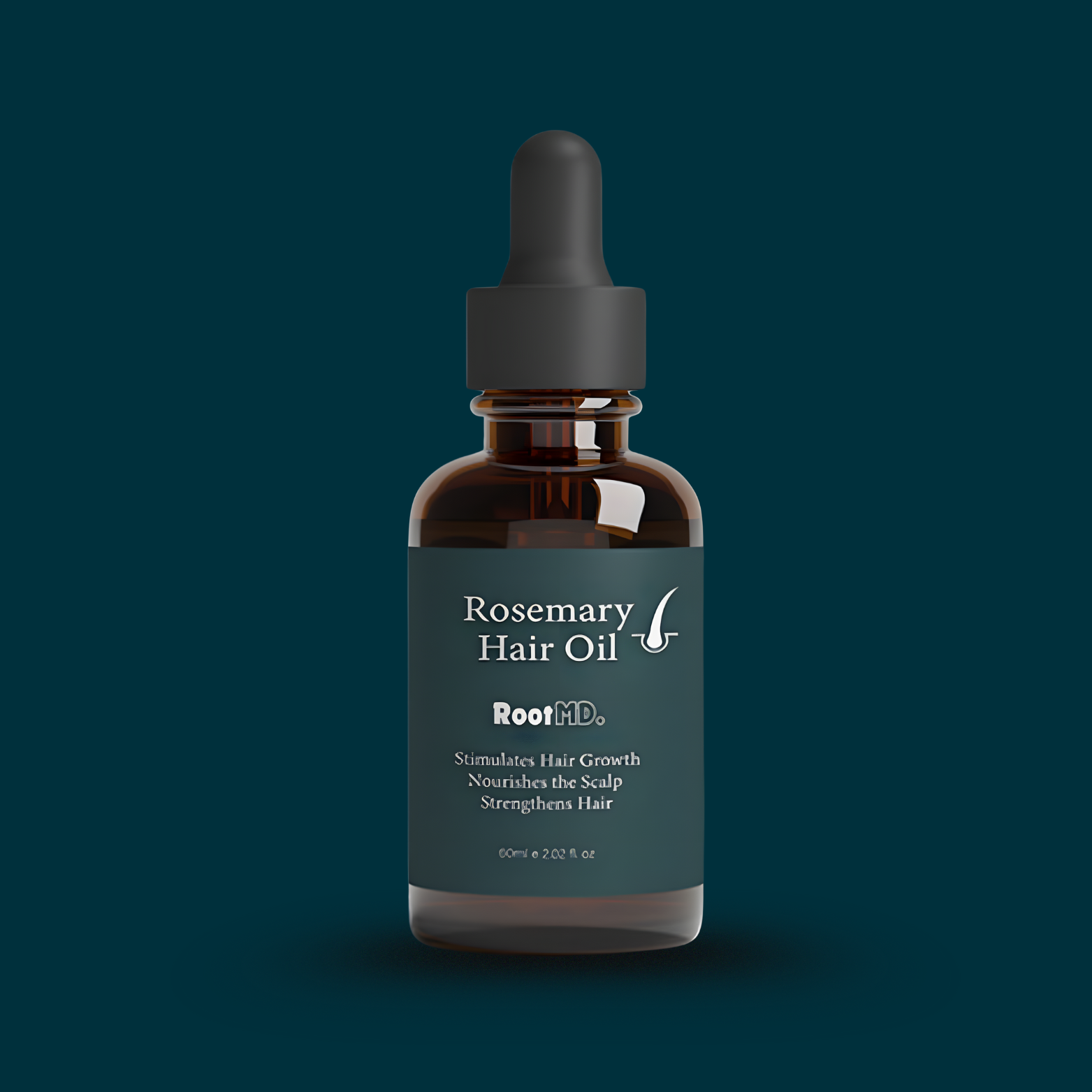
| Rosemary Oil | Improves blood flow to hair follicles | Topical, massage into scalp 2-3x/week | Moderate, supported by small studies |
| Peppermint Oil | Stimulates hair growth via follicle activation | Dilute in carrier oil; apply to scalp | Moderate, animal + pilot human studies |
| Jojoba Oil | Maintains scalp moisture and barrier function | Topical, daily or as needed | Traditional use; limited clinical data |
| Sunflower Oil | Prevents dryness and brittle hair | Topical, combine with other oils | Traditional use; n/a for direct hair regrowth |
| Saw Palmetto | Supports androgen-sensitive hair follicles | Topical or oral; follow product instructions | Limited clinical studies |
| Pumpkin Seed Oil | May improve hair density via DHT modulation | Oral supplement, per guidance | Small clinical trials |
Evidence levels are approximate; some ingredients have traditional use but limited clinical trials. Effects may vary per individual.
Treatment Options: Shampoos, Serums, Dermatology
Topical approaches may support hair regrowth in conjunction with nutritional recovery. Shampoos formulated for thinning hair can strengthen hair strands and reduce breakage.
Hair serums containing evidence-backed ingredients like peptides or botanical extracts may stimulate hair follicles. Consulting a hair loss dermatologist ensures proper evaluation of underlying causes and guidance on safe, effective options.
Home Remedies and Online Advice
Many people explore home remedies and online discussions for weight loss and hair fall. Popular tips include:
-
Gentle scalp massages to increase circulation and stimulate hair follicles.
-
Homemade masks with oils such as coconut or castor oil for scalp conditioning.
-
Tracking diet and nutrient intake to prevent deficiencies.
While online advice may provide ideas, professional guidance ensures approaches are safe and appropriate for individual needs.
When Hair Loss After Weight Loss May Be a Problem
Noticeable hair loss after weight loss is often temporary, but persistent or severe shedding warrants evaluation. If hair fall continues beyond six months or forms patches, it could indicate a nutrient deficiency, hormonal imbalance, or another type of hair loss.
Hair loss due to rapid weight loss may also be compounded by thyroid issues or underlying medical conditions, which require professional assessment.
Will Hair Grow Back and What to Expect After Weight Loss
Good news for most people experiencing hair loss from weight changes – hair typically regrows once the body stabilizes and nutritional status is restored. The growth phase resumes gradually, with visible improvement usually appearing after three to six months.
Patience is important, as full restoration may take up to a year. Supporting hair follicles with proper diet, scalp care, and stress management maximizes the chances of healthy hair regrowth.