

Vitamins support hair regrowth only when a true deficiency is present, and they do not reverse genetic or hormone-driven hair loss.
At RootMD, Dr. Ross Kopelman often explains that the answer depends on timing, pattern, and the biology behind the follicle itself. Some people lose hair because of stress, hormones, or autoimmune activity, while others develop slower thinning tied to genetics or nutritional deficiencies.
Key Takeaways
-
Hair loss often starts with identifying the cause first, because vitamin deficiency, hormonal shifts, autoimmune activity, and inherited follicle sensitivity do not behave the same way.
-
Iron deficiency, vitamin D deficiency, zinc deficiency, and low B12 are among the most common nutritional deficiencies linked to shedding, which is why blood tests often help guide next steps.
-
Supplements such as biotin, saw palmetto, and plant oils may support scalp or follicle function, but studies show they work best when matched to a specific deficiency or pattern of hair loss.
-
Alopecia areata is an immune-driven condition, so natural supplements may support general scalp health but do not directly control the immune signals that interrupt the hair growth cycle.
-
Hair regrowth takes time because follicles follow slow growth cycles, and visible changes usually depend on correcting the underlying trigger rather than adding multiple ingredients at once.
Which Vitamin Deficiency Causes Hair Loss

Several vitamin and mineral problems can increase shedding, especially when the body does not have enough building blocks for healthy hair growth.
Hair follicles divide quickly, so they are sensitive to low nutrient intake, sudden weight loss, illness, or chronic inflammation. When this happens, more hairs enter the resting phase early and shed a few months later.
Iron deficiency is one of the most studied examples. A person can be iron-deficient even before anemia appears, which is why blood tests often include ferritin rather than only hemoglobin. Low iron can reduce oxygen delivery to fast-growing tissues, including the follicle, and this may slow supporting hair production over time.
Vitamin D also matters because the follicle contains vitamin D receptors that help regulate cell turnover.
Vitamin D deficiency does not always directly cause hair loss, but low vitamin D levels are often found in people with diffuse shedding or autoimmune hair disorders. Doctors often check levels of vitamin D when shedding lasts longer than expected.
Zinc deficiency and low B12 can also contribute, although they are less common in otherwise healthy adults. Zinc supports enzyme activity inside the follicle, and B12 helps maintain rapid cell turnover. When nutritional deficiencies are present, correcting the deficiency usually matters more than adding multiple supplements at once.
Which Supplements and Vitamins Help Hair Loss Depends on the Cause

Not every supplement helps every form of hair loss, and some ingredients discussed in what supplements cause hair loss can also worsen shedding when used incorrectly.
The best hair growth supplements usually help when a measurable deficiency exists, not when the follicle is shrinking because of inherited androgen sensitivity. This is why blood tests are often more useful than guessing which capsule may work.
For example, biotin supplementation is popular, but true deficiency is uncommon unless someone has malabsorption, certain medications, or a restrictive diet.
Biotin, vitamin B7, supports enzyme reactions involved in protein metabolism, yet studies show that adding more biotin rarely changes density when levels are already normal. It can also interfere with some laboratory testing if taken in high doses.
In women, supplements for hair loss often need more context because shedding can follow pregnancy, menopause, heavy periods, or thyroid changes. In these cases, vitamins and minerals may help only if they correct an actual shortage. A supplement does not automatically prevent hair loss if the main trigger is hormonal or inflammatory.
Saw Palmetto for Hair and Other Common Ingredients

Saw palmetto for hair is often discussed because it may affect the conversion of testosterone into DHT, the hormone linked to follicle miniaturization in androgenetic thinning.
DHT-sensitive follicles gradually produce finer hair, shorter strands, and less visible density. That is why saw palmetto for hair growth is usually discussed in relation to pattern hair loss rather than sudden shedding.
Research remains limited, but some studies show mild improvement in density when saw palmetto is used consistently over time. It does not act quickly, and results vary based on the stage of thinning. It should be viewed as one possible supportive ingredient, not a guaranteed path to hair regrowth.
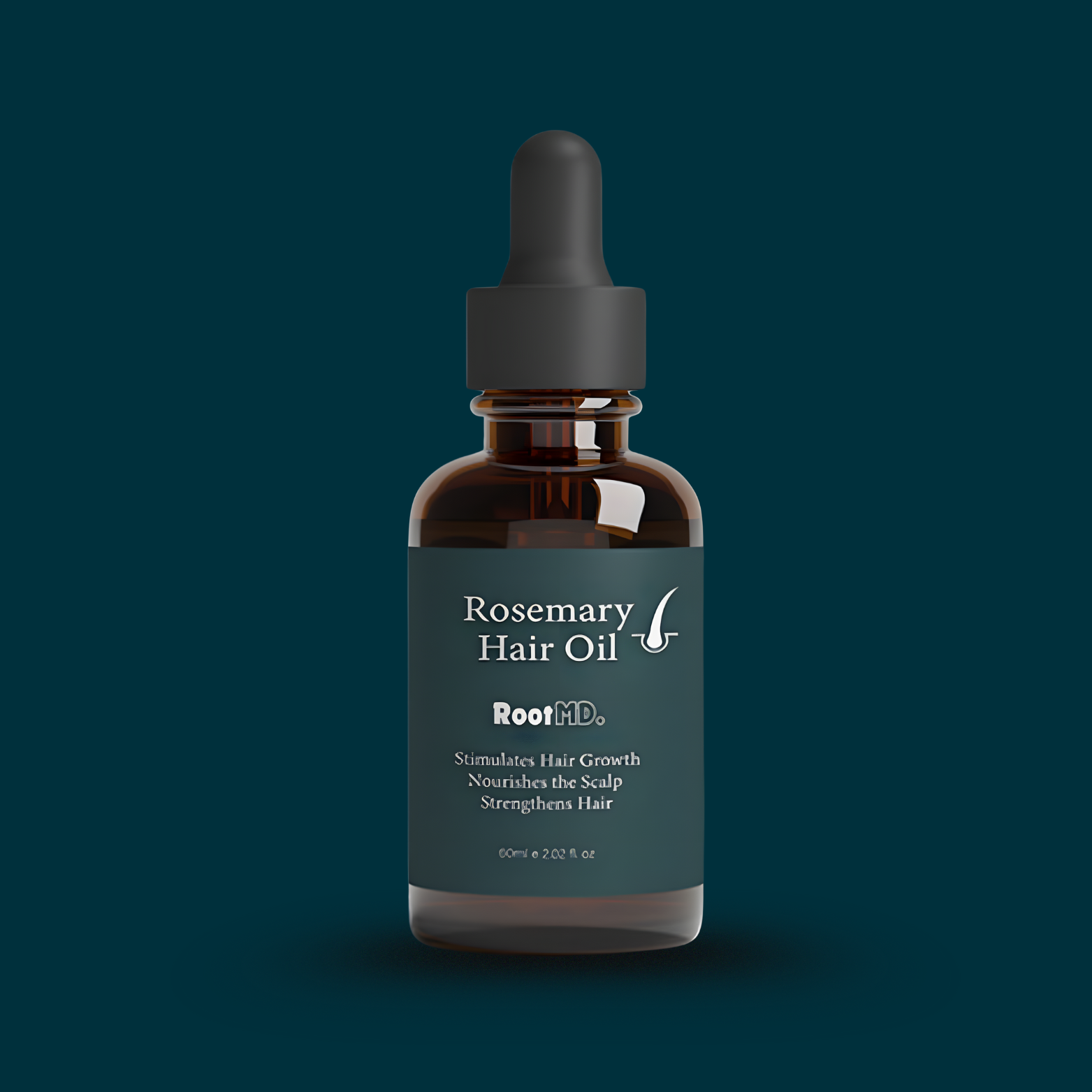
Other oils are discussed for scalp health more than direct regrowth. Rosemary oil has been studied because it may improve circulation near the follicle and may support signaling that promotes hair growth over time. Pumpkin seed oil is also studied because plant sterols may influence androgen pathways in a mild way.
Peppermint oil creates a cooling sensation because of menthol, while jojoba and sunflower oil mainly help reduce dryness on the scalp surface.
A healthier scalp barrier may improve comfort and reduce breakage, but scalp oils do not reverse follicle miniaturization by themselves. Supporting hair at the scalp level is different from changing follicle biology deeper in the skin.
Natural Supplements for Alopecia Areata: What Evidence Supports

Alopecia areata works differently from pattern hair loss because the immune system targets the follicle. The follicle is still alive, but immune signals interrupt normal growth cycles and push hair into shedding. This is why natural supplements for alopecia areata often have less predictable outcomes.
Online searches such as how I cured my alopecia areata naturally often describe spontaneous regrowth, which can happen because alopecia areata sometimes improves without a clear reason. That improvement does not prove a supplement caused the change. In many cases, patches return months later because immune activity rises again.
Female cases may also involve added complexity because stress, hormonal shifts, and autoimmune overlap can happen together, especially across different hair conditions that affect follicle behavior differently. This explains why curing alopecia areata often reflects a personal timeline rather than a universal method. Nutritional support may help general scalp health, but it does not directly switch off immune targeting.
Can Alopecia Be Reversed Naturally
Some shedding improves naturally when the trigger ends. This is common in telogen effluvium, where illness, surgery, stress, childbirth, or dieting shifts many follicles into resting mode at once. The follicle usually stays healthy, so new growth can return over several months.
That is very different from progressive miniaturization. In androgenetic thinning, the follicle becomes smaller each cycle, so the hair growth cycle shortens and strands become thinner over time. Natural ingredients may slow this process in some people, but they do not fully reverse established miniaturization.
Inflammation also changes expectations. In autoimmune loss, inflammation interrupts the promotion of hair signals even when the follicle remains capable of regrowth. That is why outcomes differ between temporary shedding, inflammation, and long-term genetic thinning.
What Should You Avoid if You Have Alopecia
People often ask what should be avoided when shedding begins, but the answer depends on the cause. Extreme calorie restriction, sudden elimination diets, and low protein intake can all worsen shedding because follicles need steady nutritional input and stable lifestyle factors for healthy hair growth.
Restrictive eating may lower iron, zinc, and protein even before symptoms appear elsewhere.
There is no single worst food for alopecia areata, but highly restrictive patterns can make recovery harder if they create a nutrient imbalance. In people already prone to deficiency, low intake may lower vitamin D levels or worsen zinc deficiency. The goal is consistency rather than chasing one perfect food.
Vitamin E, Evion 400, and Common Supplement Misconceptions
Vitamin E is often discussed because it acts as an antioxidant, but antioxidant support alone does not mean it improves hair density. Does Evion 400 regrow hair is a common question, yet evidence remains limited and indirect. It may support scalp tissue in some situations, but it does not reliably promote hair growth on its own.
Many supplement labels suggest they promote hair growth broadly, and articles about the best hair supplements for alopecia often still need to explain that the follicle responds best when the right deficiency or trigger is identified first. Healthy hair growth depends more on matching the cause than adding many ingredients together.
Why Results Vary Even When Ingredients Are Evidence-Based

Even when research exists, follicles respond slowly because hair changes happen over months, not days. A strand seen today began forming long before any new ingredient was added. That delay often explains why early changes are difficult to measure.
Ross Kopelman often notes that realistic expectations matter because hair regrowth follows biology, not marketing language. Ingredients may help one stage of supporting hair, but they do not act the same way across every diagnosis. The most useful approach starts with understanding the follicle, the scalp, and the reason shedding began.