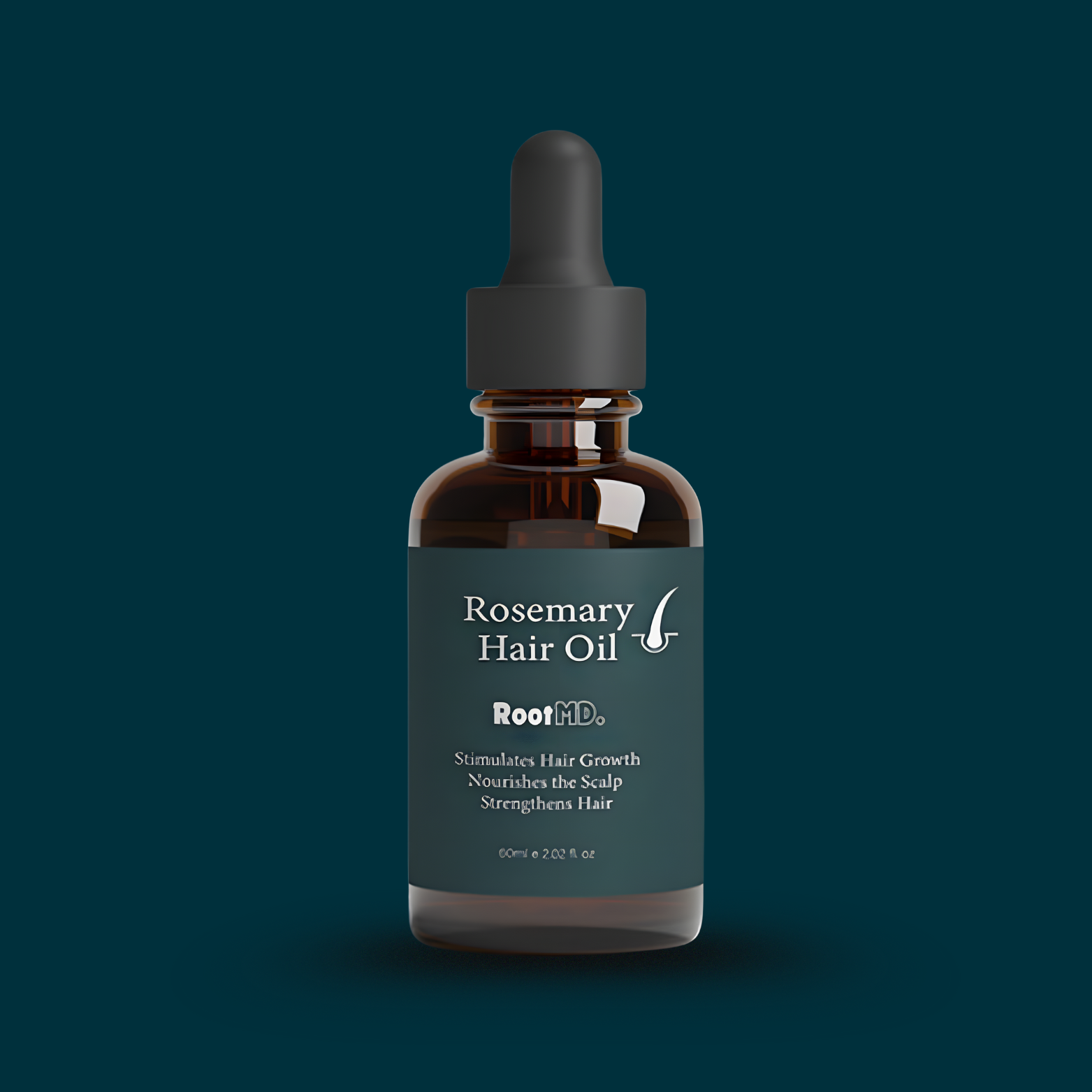


Hair almost never truly “stops” growing. What’s happening is a shift in how fast it grows, how long it stays in the growth phase, and how much sheds. At RootMD, understanding why hair growth changes over time is a key part of patient education.
According to Dr. Ross Kopelman, slow hair growth often reflects changes in the hair cycle rather than a complete stop. This article explains what affects growth, why hair may feel like it has stopped growing, and what influences long-term hair health.
Key Takeaways
-
Hair may seem like it has stopped growing, but in most cases, it is still growing at a slower rate or shedding more due to changes in the hair cycle.
-
Factors such as hormonal imbalances, stress, medical conditions, and nutritional deficiencies can disrupt the growth phase and increase hair shedding.
-
Different types of hair loss affect the hair cycle in different ways, with some causing temporary shedding and others leading to gradual hair thinning over time.
-
Hair growth follows a fixed biological cycle, so results from treatments or lifestyle changes take time and cannot happen immediately.
-
Understanding the cause of hair changes is essential, as some conditions improve on their own while others may require medical evaluation.
Why Your Hair Growth May Be Slower Than Expected

Hair may feel like it has stopped growing, but in most cases, it is growing more slowly or shedding more than usual. The balance between growth and loss determines how full your hair looks. When shedding increases or growth slows, the change becomes noticeable.
Several factors can slow hair growth, including stress, aging, and changes in scalp health. These factors affect how long hair stays in its active stage. As a result, strands may not reach their usual length.
How Hair Growth Works (And Why It Slows Down)

Hair grows in cycles. The growth phase, known as the anagen phase, is when hair actively grows from the root. This phase can last several years, depending on genetics and overall health.
After this, hair enters a short transition period and then the resting phase, where it prepares to shed. When more hairs shift into this resting stage, visible density decreases. This is why hair doesn’t always grow at a steady rate.
Why Hair Stops Growing or Appears to Stop
Hair rarely stops completely, but it may appear that way when growth slows and shedding increases. This often happens when the growth cycle becomes shorter. Over time, strands become thinner and less noticeable.
Changes in hair follicles play a major role. When follicles shrink, they produce finer hair. This process is common in long-term conditions like pattern thinning.
What Stops Hair Growth Naturally, Suddenly, or Over Time
Hair growth can change due to both short-term and long-term causes. Sudden changes often relate to stress or illness, while gradual changes develop over time.
Common causes include:
-
Hormonal imbalances, such as postpartum or menopause changes
-
Physical stress or illness that triggers hair shedding
-
Certain medications with known side effects
-
Underlying medical conditions affecting the body
In many cases, sudden shedding is temporary, but long-term changes may continue without intervention.
Types of Hair Loss, Shedding, and Thinning

Understanding the types of hair loss helps explain why growth patterns change. Not all hair loss follows the same pattern or cause.
Examples include:
-
Hair thinning from androgenetic alopecia
-
Temporary shedding linked to stress
-
Alopecia Areata, an autoimmune condition causing patchy loss
-
Mechanical damage leading to hair breakage
Each type affects the hair cycle differently. Some impact growth, while others affect retention.
Hormones and Pattern Hair Loss
Hormones play a central role in long-term hair changes. In pattern hair loss, sensitivity to certain hormones affects the follicles. Over time, this leads to thinner strands and reduced density.
These changes do not happen suddenly. They develop gradually as the hair follicles shrink. This is why early signs often include subtle thinning rather than complete loss.
Scalp and Internal Factors That Affect Hair Growth

Healthy hair depends on both scalp condition and internal health. The scalp supports the follicle, but deeper factors influence how hair grows.
Key contributors include nutrients like vitamin E for hair growth:
-
Nutritional deficiencies, especially iron or protein
-
Chronic inflammation on the scalp
-
Frequent heat styling, which weakens strands
-
Poor circulation affecting follicle function
These factors may not stop growth completely, but they can reduce overall quality and strength.
Why Hair Loss Is Increasing in Younger Adults
More younger adults report early hair changes today. This shift is linked to lifestyle and environmental factors rather than a single cause.
Common influences include:
-
Increased stress levels
-
Frequent styling and chemical exposure
-
Diet patterns that lack essential nutrients
-
Greater awareness of early hair fall
These factors can affect the hair cycle earlier than expected.
Can Hair Loss From Medications Grow Back
Some medications can trigger temporary hair shedding. This often happens when the body shifts more hairs into the resting stage.
In many cases, growth resumes after the trigger is removed. However, recovery depends on the individual and the duration of the underlying cause. Not all cases return to baseline density.
How Hair Loss Treatments and Ingredients that Work
Different approaches, including a hair surgeon approach to hair growth, target different parts of the hair cycle. Some focus on the scalp, while others influence the follicle directly.
Common categories include:
-
Shampoos that support scalp balance
-
Topical solutions that extend the anagen phase
-
Oral treatments that address hormonal factors
Natural ingredients are also studied for their role in supporting healthy hair growth. These include plant-based oils, such as pumpkin seed oil, that may improve scalp condition and circulation.
Can Hair Growth Be Stopped or Reversed Quickly
Hair growth follows a biological timeline. This means it cannot be changed instantly. Even when conditions improve, visible results take time.
This is why claims of rapid regrowth are often misleading. The hair cycle must complete its phases before changes become noticeable. Patience is a key part of managing expectations.
How to Reduce Baldness and Fix Stunted Growth
Reducing visible thinning involves addressing the underlying cause. In some cases, slowing progression is the main goal rather than full regrowth.
Key considerations include:
-
Supporting the follicle environment
-
Managing long-term triggers like stress
-
Improving overall scalp condition
While some improvements are possible, results vary between individuals.
Hair Growth on the Scalp vs Face
Hair behaves differently depending on location. Scalp hair is influenced by longer growth cycles, while facial hair responds more strongly to hormones.
This difference explains why some people notice reduced scalp growth but increased facial hair. The underlying biology of each area is not the same.
Common Misconceptions and Realistic Expectations
Many beliefs about hair growth are not supported by evidence. One common idea is that oils alone can regrow hair. In reality, they mainly support scalp health.
Another misconception is that cutting hair affects growth speed. Growth happens at the follicle level, not at the ends. Understanding these limits helps set realistic expectations.
When to Seek Medical Advice for Hair Loss
Some changes require professional evaluation. This is especially important when hair loss is sudden, patchy, or persistent.
You may consider medical advice if:
-
Shedding increases rapidly
-
Hair loss occurs in defined patches
-
Symptoms suggest underlying medical conditions
A qualified professional can assess patterns and identify possible causes. At RootMD, education and accurate evaluation remain central to understanding hair concerns.